
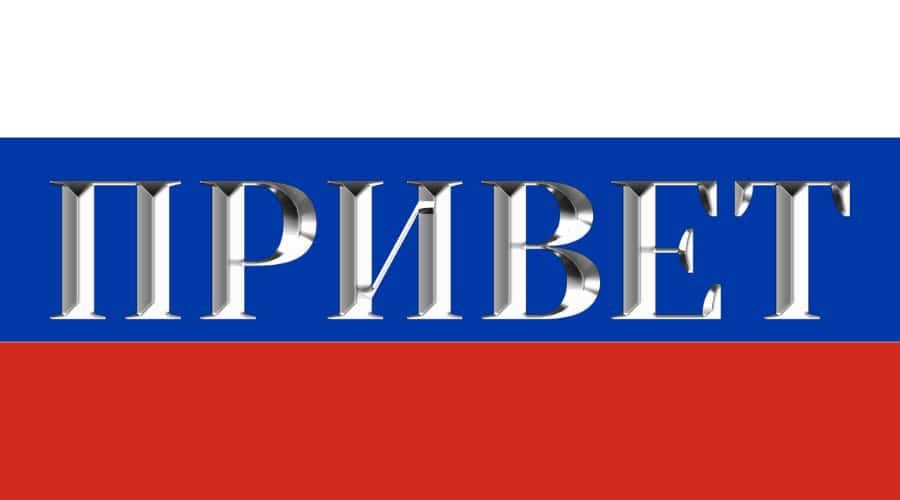
Russian language
So, Russian language, huh? It’s smooth, it’s dense and, man, the alphabet keeps you on your toes. Now, there’s a particular cha-cha in the dance of the alphabet that pops out: the Russian Upside Down V, a curious character that often dodges the spotlight.
This peculiar symbol, the Russian Upside Down V, stirs curiosity not merely due to its flipped form, but also because of its elusive identity. Let’s break the suspense. The Russian Upside Down V – it’s not an estranged cousin of the English letters, nor a typo. It’s a full-fledged symbol in the Russian alphabet, commanding a unique place. Now, you may wonder what this upside down V is called or how it sounds. All the whys, hows, and wherefores are queued up in the following sections. Let’s get started, shall we?
What is the Russian Upside Down V?
In the casual, insider’s language of studying Russian, you might hear references to something called an “Upside Down V”. Yeah, don’t be mystified; we’re just talking about a letter here, folks. The correct name for this curious symbol in the Russian language is “Л.” Maybe squint a little, tilt your head, and you’ll see the resemblance.
This character, known as “El,” is a fascinating component of the Russian alphabet. It’s about as common as the “L” in English, but that’s where similarities end. Sound-wise, “Л” is pronounced like the English “L” at the beginning of a word, not at the end (think ‘love’, not ‘roll’). With this, it introduces a sound that’s clear-cut and distinctive, making it an important building block in the language’s phoneme framework. So yeah, it matters. For anyone diving into Russian, getting chummy with this upside-down V and its pronunciation is sincerely non-negotiable.

The Role of the Russian Upside Down V
The Russian Upside Down V, also known as “Л” or “El,” is no stranger to the domain of the Russian language and occupies a significant role in its structure. As part of the Cyrillic alphabet, it prepares a poetic dance with other letters to create beautiful Russian words.
You’ll find this symbol quite friendly, not discriminating against the front, middle, or end of words. So, don’t be surprised when you encounter its presence across the length and breadth of any Russian discourse.
Here’s where the fun starts – examining its usage with some examples. Perhaps you’ve heard of the Russian city Ленинград (Leningrad), which was renamed as Saint Petersburg. Here, the “Л” starts off the word. It’s flexible too, popping up in the middle of words like Молоко (Moloko), which means milk in English. And don’t forget the monosyllabic word for yes in Russian, Да (Da), where it neatly tucks itself at the end.
Through this versatile usage, the Russian Upside Down V enhances the linguistic charm of the Russian language, making it an essential character to know when embarking on a journey of Russian language learning.
Why You Keep Seeing It
The Russian Upside Down V, commonly known by its official name “Ya”, is a character that pops up rather frequently in the Russian language. Its recurrence is mainly because of its dual-purpose function – as a vowel and as the corresponding sound for “ya”. Coupled with its dynamic usability, this contributes generously to its ubiquity in written and spoken Russian.
Moreover, the impact of digitalization and internet communication cannot be underestimated as online platforms often host a broad representation of languages across the globe. Russian language is no exception, and as such, the Russian Upside Down V frequently graces the virtual space. Whether it’s in the domain of online dating like on “Dream Singles“, casual social interactions on popular Russian social media platforms, or in learning resources dedicated to teaching Russian, its presence is hard to overlook.
In the dating context, for instance, understanding this symbol could provide a distinct advantage. It aids in seamless communication, catching subtleties and nuances that often get lost in translation. Also, it’s an impressive skill to showcase to potential partners on these platforms, so don’t be surprised when you see it sprinkled in messages or profiles.
Beyond dating, it’s prevalent in daily social interaction among Russians on forums, blogs, and comments across the web and especially in learning materials. The high frequency of the Upside Down V makes it critical to mastering Russian since its understanding and correct usage can significantly enhance your comprehension, even if you’re just a beginner. The bottom line is – you’ll keep seeing it because it’s pretty much everywhere in the Russian language world!
Understanding the Russian Alphabet
The Russian alphabet presents an entrancing entryway into the country’s rich cultural tapestry. This alphabet, composed of 33 letters, successfully systematizes the remarkable phonetic variety of the Russian language. Here’s why you should take an interest in this Cyrillic game of letters.
Composition of the Alphabet
The Russian alphabet is composed of:
- 10 vowels,
- 21 consonants,
- And 2 signs (hard and soft)
It accommodates the diverse phonetic complexity of the Russian language.

A Phonetic Match
Among its interesting attributes is the alphabet’s unique ability to portray the exact sounds of the language. Unlike English, where phonetic pronunciation can sometimes be puzzling to learners, in Russian, sounds turn out to be exactly as they are written. This results in a more straightforward process of learning pronunciation, eliminating unnecessary confusion that irregular pronunciation rules could cause.
A Treat for Learners: The Russian Upside Down V
Of particular interest is the Russian Upside Down V, or as native speakers call it, “Л”. This symbol and its sound are of paramount importance in many Russian words and are quite common. Knowing it can help you swiftly navigate Russian texts, be it street signs, menus, or even classics like “War and Peace”.
Opening Doors to Unexplored Worlds
Cracking the code of the Russian Alphabet, despite its initial complexity, is key to an authentic immersion in Russian culture and communication. It’s an essential tool that equips you to understand and interact with more than 150 million native Russian speakers worldwide. It might come in handy whether you’re sipping vodka in a Siberian bar, marveling at the beauty of Red Square, or simply reading your favorite Tolstoy book.
Embracing this Cyrillic adventure allows you to connect with another culture in its own linguistic style, a truly delightful experience. Therefore, it’s worth the effort to venture into this memorable Cyrillic journey.
Language Learning and Online Platforms
Imagine you’re exploring a Russian dating website or you’ve started to interact with Russian women on russiangirlsonline.net. Your ability to recognize and comprehend basic Russian language symbols can go a long way in aiding communication. Having a grasp of the alphabet connects you in a more sincere and personal way to the cultural context you’re immersing yourself in. This isn’t a trait or skill that’s undervalued by Russians, trust me.
Let’s make it practical. Say you’re chatting up a potential date and she sends you a message containing the Upside Down V. Recognizing this letter and understanding its role in a word can help guide your response. Does knowing this seem cool? I mean, to a person accustomed to the Latin alphabet, the ability to decipher Cyrillic letters might feel like unlocking a secret code. Heck yes, it’s cool.
Moreover, from dating interactions to more formal learning contexts, these nuances of the Russian language can significantly shape your online experience. Odds are, knowing your way around the Russian alphabet opens a new portal of understanding, and consequently, opportunities. Literacy in Russian impatiently waits for you on the other side of this gate. You don’t want to keep it waiting. It’s not polite.
So, taking the time to familiarize yourself with Russian symbols, starting with our dear Upside Down V, is more than just academic exercise or showing off. It’s about enabling yourself to experience a rich, culture-filled data stream flowing from the world’s largest country. Sounds awesome, right? It is.

Conclusion
Unlocking the Russian Language: Importance of the Upside Down V
In summary, the Russian Upside Down V, more accurately known as the Cyrillic letter Л, plays a vital role in understanding the Russian language, and effectively communicating within its alphabet. This symbol is pervasive, appearing everywhere from:
- Casual chats on social media,
- More specialized interactions in spheres such as online dating.
This seemingly straightforward symbol can lead the way to comprehensive understanding, enhancing your communication skills when engaging with Russian speakers.
Diving Deeper Into Russian Culture and Language
Immersing oneself more broadly into the Russian language and alphabet offers enriching experiences. It can act as a portal into the compelling Russian culture, broadening your global perspective, and unlocking insights into one of the world’s most influential nations.
Utilizing Available Resources
Venture into this exciting language journey. Utilize the multitude of online resources, ranging from language learning apps to interactive platforms. Make use of these aids to:
- Polish your language skills,
- Understand the complex dynamics of the Russian alphabet, and
- Successfully communicate in Russian.
Embarking on a Learning Journey
Let your curiosity fuel your passion to learn, and you’ll soon find yourself familiar with more than just the Upside Down V. Your journey into the captivating world of Russian language and culture is just commencing. Enjoy the ride!